Sustainable Furniture: How to Vet Ethical Practices From Wood to Warp
A guided exploration of how to read certifications, trace supply chains, and choose durable pieces that honor people, planet, and provenance. In a world where a sofa is more than a sofa, this article unpacks practical steps to vet ethical practices in furniture—from timber origins to manufacturing footprints—and profiles key voices from different eras who have shaped our thinking about material truth and social responsibility.
Why Ethical Furniture Matters Now
In contemporary living spaces, furniture communicates as much about values as about taste. The choices we make when selecting a chair, a sofa, or a bed frame ripple outward—affecting forests, labor conditions, and local economies. The movement toward sustainable furniture marries design with ethics: materials sourced responsibly, factories that respect workers, and brands that champion transparent supply chains. This is not mere virtue signaling; it is a recalibration of how value is created and measured.
To navigate this landscape, a few questions anchor discernment: What certifying bodies verify sustainable practices? Can the supply chain be traced from forest to finished product? Are there durable construction standards that promise repairability and longevity? And just as important, does the brand communicate honestly about tradeoffs—such as cost, availability, and ecological impact?
Key Certifications to Understand
Certifications act as signposts, but they are not universal passports. Two certifications commonly cited in ethical furniture discourse are FSC and Inside Green. FSC stands for the Forest Stewardship Council, an international NGO that promotes responsible forest management. When a wood frame boasts FSC certification, it signals adherence to standards that govern forest management, chain of custody, and environmental stewardship. Inside Green is a broader sustainability umbrella used by some manufacturers to highlight environmentally preferable practices—often including aspects like energy efficiency, low-emitting finishes, or socially responsible manufacturing processes. Always read the scope of each certification and understand what it covers in a given piece.
- Forest stewardship, chain of custody, responsible harvesting.
- Brand-specific environmental initiatives, sometimes including materials, manufacturing, and social considerations.
- Oeko-Tex, Greenguard, B Corporation ties in broader corporate responsibility, and country-specific timber certifications that may exist in local markets.
Remember: certifications are useful signals but should be paired with transparent reporting, supplier traceability, and a demonstrated commitment to continuous improvement.
Tracing the Supply Chain: Timber to Table
A robust approach to tracing a furniture piece begins with the forest: what species are used, how the wood is harvested, and what protections exist for biodiversity. The next nodes are the mill, the factory floor, and the distribution network. Transparent brands publish bill of materials (BOM) disclosures, worker welfare policies, and environmental performance metrics. In practice, you should seek clarity on:
- Species and region of origin for wood components.
- Raw material sourcing and certifications beyond the surface label.
- Manufacturing energy use, waste management, and water stewardship.
- End-of-life options, repairability, and take-back programs.
A brand that can narrate its supply chain story with named partners, documented audits, and traceable lot numbers offers greater confidence that ethical commitments are not merely aspirational marketing.
Durability, Repairability, and a Long-Term Mindset
Ethical purchasing is inseparable from practical furniture stewardship. Durable construction reduces waste and the need for replacements, while modular design and repairability extend a product’s life. Look for dovetail or mortise-and-tenon joinery, FSC-certified hardwoods, high-resilience foams with low volatile organic compounds (VOCs), and upholstery that can be reupholstered rather than discarded. Brands that emphasize repair services, spare parts availability, and artisan-led maintenance experience a longer, more responsible lifecycle.
In the context of the unionfurniture.com concept, sustainability is not a single-material narrative but a full lifecycle story—from responsibly sourced wood to the end of a product’s usable life. The most persuasive ethical furniture programs treat repairability as a feature, not a compromise, and regard customers as partners in stewardship rather than passive consumers.
A Visionary Reading List: Voices Across Time
Three key individuals from distinct eras illuminate how conversations about ethical practice and material culture have evolved. Each brings a unique vantage—one rooted in ancient stewardship, another in early modern industrial accountability, and a contemporary emphasis on ecological responsibility and social ethics.
- While primarily known for medicine, classical thinkers like Hippocrates underscored a respect for materials and tools used to sustain life. In furniture ethics, this thread invites us to consider the craftsperson as a steward of resources, mindful of how tools and timber affect the body and space over time.
- A founder of the settlement-house movement, Addams championed dignity for workers and communities. Her perspective reminds contemporary buyers to examine labor conditions within manufacturing supply chains and to favor brands that uphold fair labor practices and communal responsibility.
- A figure who fused fashion rebellion with ethical stance, Westwood’s ethos translates into furniture as a call to question waste, durability, and the ethics of production in a consumerist age. In furniture terms, this means designers embracing longevity, circular design, and transparent storytelling about materials and methods.
A Practical Path Forward: How to Vet Ethical Practices in Everyday Shopping
To translate theory into action, here is a concise, repeatable framework you can apply to any furniture purchase, including pieces in the Cisco Home line and related offerings that emphasize sustainability:
- Look beyond logos; read what the certification covers and the year of certification. Confirm whether the certification applies to the forest, the supply chain, or finished goods.
- Ask brands for supply chain maps, supplier lists, and proof of responsible practices at every node, from timber harvest to assembly.
- Inspect joinery, wood quality, upholstery fabrics, and options for repair services or spare parts.
- Inquire about take-back programs, recycling options, and the potential for refurbishing rather than discarding.
- A piece that lasts longer and is repairable often costs less over time, even if upfront prices are higher.
In the mosaic of furniture ethics, the questions you ask become instruments of change. Your choices ripple outward, shaping industry norms and inspiring brands to do better, one responsibly sourced plank at a time.
A Concrete Example: Bianca Sofa and Yvonne Sofa
To ground these considerations in tangible products, we turn to two notable offerings from Cisco Home that intersect with sustainability storytelling: the Bianca Sofa and the Yvonne Sofa. Each piece embodies different design languages and production choices, yet both foreground the possibility of responsible craftsmanship.
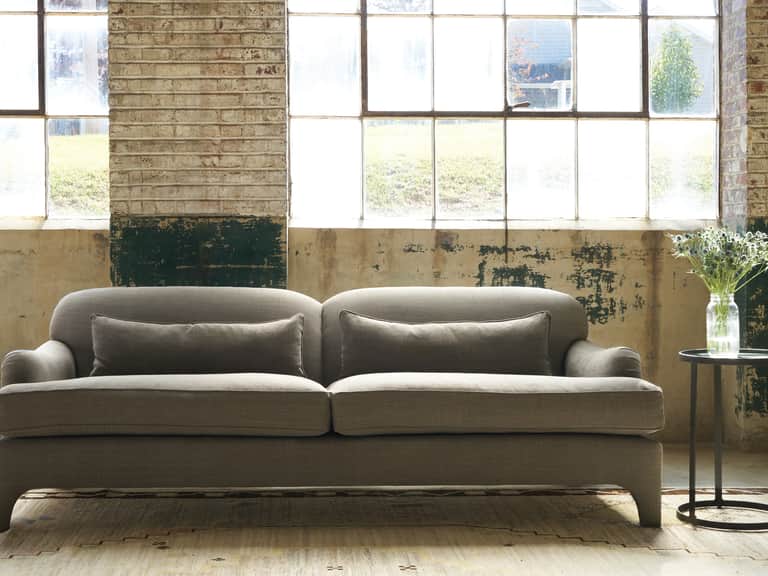
Cisco Home Bianca Sofa
A masterclass in modern elegance, the Bianca Sofa pairs streamlined silhouettes with upholstered legs, offering a generous seating experience and refined lumbar support. Its FSC wood framework and toxin-free finishes position it as a benchmark of responsible luxury. The generous dimensions—96w x 40d x 35h—signal comfort without compromising on structure.
Sustainability notes: FSC-certified frame, no-sag construction, Inside Green optional, and a focus on durable upholstery and high-quality foam for longevity.
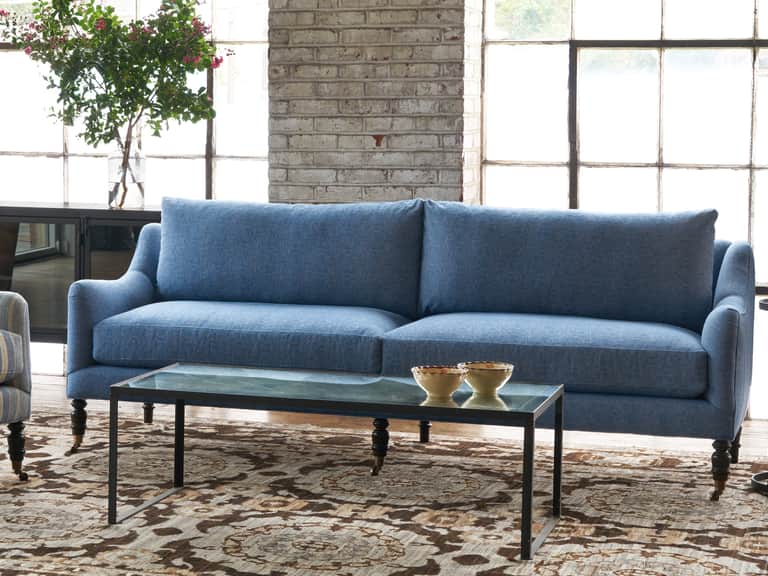
Cisco Home Yvonne Sofa
The Yvonne offers a balanced blend of comfort and timeless style, with Cove-style legs and a customizable fabric canvas. Its no-sag support and FSC-certified frame align with durable design principles, while Inside Green and upholstery choices provide avenues for sustainable personalization.
Sustainability notes: FSC-certified hardwood, no-sag system, Inside Green available, and a design that prioritizes longevity and repairability.
Conclusion: A Responsible Path for UnionFurniture.com
As a platform anchored in sustainability and ethical sourcing, unionfurniture.com can become a trusted resource by foregrounding transparency, robust certification literacy, and practical guidance for repairability and end-of-life decisions. The blend of historical perspective, contemporary manufacturing realities, and forward-looking design strategies offers readers a rich, editorially rigorous exploration—one that mirrors the discerning tone of The New Yorker: thoughtful, exacting, and attuned to the nuances of culture, craft, and consequence.
In the evolving story of furniture, ethics are not an add-on but an essential element of design literacy. By elevating conversations around certifications, supply chains, and longevity, we invite readers to participate in a shared project: choosing objects that honor both human hands and forested lands, while remaining deeply connected to the spaces we call home.