Ancient Artisan: Philo of Byzantium
In antiquity, the craftsman’s craft was inseparable from the land. Philo’s guild insisted on timber from approved forests and used natural dyes—an implicit early embrace of ethical material use.
A thoughtful, editors’-eye guide to evaluating furniture for ethical sourcing, sustainability, and lasting value. This article folds in historical perspectives, current industry standards, and practical steps for building a greener living space without sacrificing style.
The journey of a chair from factory floor to living room is rarely linear. It begins with the raw material—wood, metal, fabric, foam—and travels through a network of suppliers, mills, and assemblers. In recent years, the emphasis has shifted from merely “how it looks” to “how it was made.” Ethical sourcing demands transparency: where does the wood come from? Are forests managed for regeneration or extraction? What finishes are used, and are they water-based or solvent-heavy? These questions are not mere academic curiosities; they shape the health, longevity, and environmental impact of the furniture we invite into our homes.
The Forest Stewardship Council (FSC) certification is one of the most widely recognized indicators of responsible forestry. FSC certification signals that a product’s wood comes from responsibly managed sources that protect biodiversity, indigenous rights, and long-term forest health. But certification is a floor, not a ceiling. Prospective buyers should also seek out suppliers who disclose supply-chain details, implement responsible chemical practices, and embrace circular design principles that facilitate repair, refurbishing, or safe end-of-life disposal.
A growing subset of brands—like Cisco Home—demonstrates a broader approach: FSC-certified hardwood frames, no-sag support, water-based or low-VOC finishes, and Inside Green options that reflect a cradle-to-cradle mindset. In a marketplace crowded with enticing silhouettes, the ethically manufactured sofa becomes more than a place to sit; it’s a statement about who you want to be as a consumer.
When evaluating furniture, think in layers: the core structure, the surface finishes, and the end-of-life options. Here are practical benchmarks:
The following steps blend aspirational goals with everyday practicality, allowing you to effect meaningful change without feeling overwhelmed.
In antiquity, the craftsman’s craft was inseparable from the land. Philo’s guild insisted on timber from approved forests and used natural dyes—an implicit early embrace of ethical material use.
Isabella’s salons celebrated furniture that combined artistry with regional craftsmanship, encouraging workshops to maintain quality and provenance—an early blueprint for sustainable luxury.
In today’s design discourse, leaders emphasize FSC-certified materials, low-VOC finishes, and transparent supply chains as non-negotiables for ethical living rooms.
The ethical sourcing of furniture is not a niche concern; it is a mature design imperative that aligns aesthetics with responsibility. The union of form and ethics can produce living spaces that feel as good to inhabit as they look on the page. When you invest in a well-crafted piece—one that demonstrates transparency in its supply chain, embraces repairability, and uses responsible materials—you’re not merely purchasing furniture. You’re cultivating a shared culture: a community that values longevity, care, and the quiet confidence of a home that respects its origins.
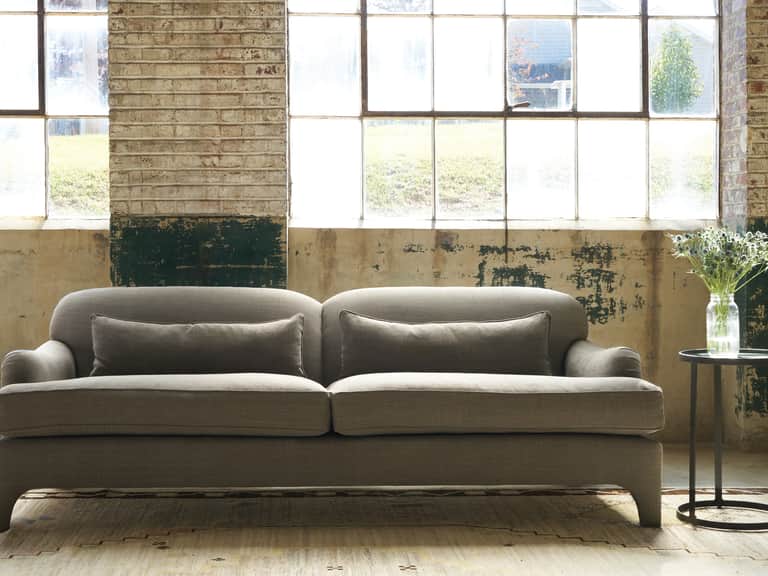
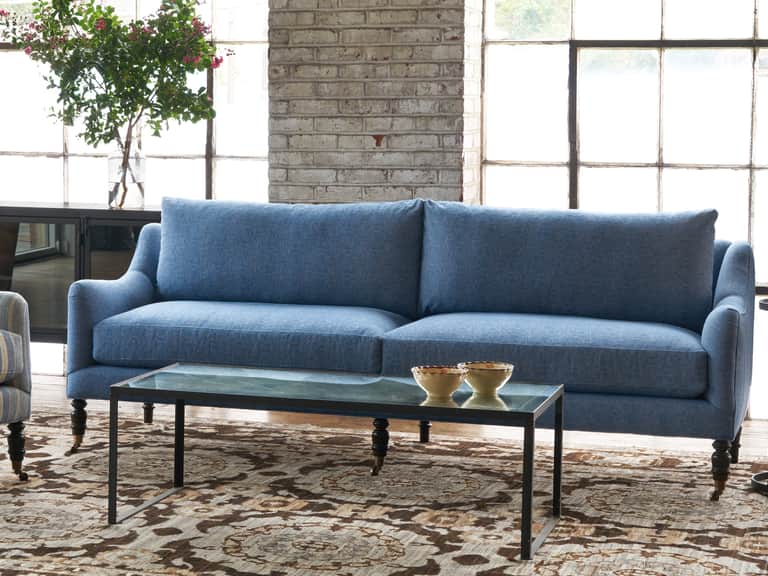
As we glance toward the horizon of sustainable living, three voices—past, present, and future—keep echoing the same insistence: beauty need not come at the cost of conscience. The Bianca Sofa, with its FSC-certified frame and mindful design, embodies this principle in its very upholstery. The Yvonne Sofa, likewise, offers a path to sustainable luxury through modular customization and eco-friendly manufacturing. And the larger conversation—about supply chains, materials, and end-of-life strategies—invites each of us to participate in a more ethical way of inhabiting our homes.
Explore FSC certification, cradle-to-cradle design principles, and ethical labor standards through reputable sources and contemporary brands that publish transparent reporting. When available, seek product pages and brand reports that detail sourcing origins, finish chemistry, and repairability metrics.